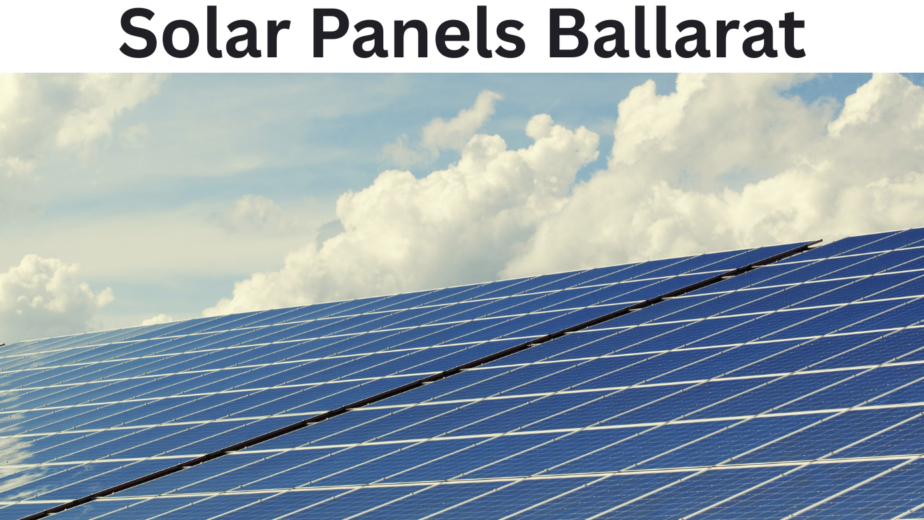
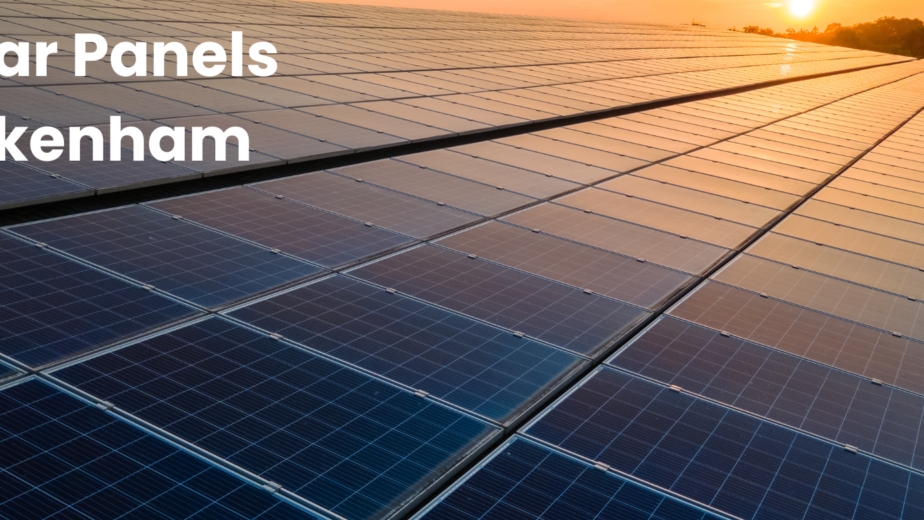
Yes, do solar panels work on cloudy days? Absolutely, they function well in Australia. While direct sunlight produces the most energy, modern solar photovoltaic (PV) technology uses daylight rather than direct heat to create power. On dark days, clouds disperse sunlight, allowing your system to gather indirect light. When people wonder, “do solar panels work on cloudy days?” The answer is that panels generate a consistent proportion of their regular capacity under high cloud cover. For homes used to fluctuating weather, questioning “do solar panels work on cloudy days” is frequent. However, installing high-efficiency panels ensures that you continue producing useful power, decreasing your grid dependency, and minimizing your energy costs all year.
Understanding Weather and Solar Efficiency
Victorians are experts in the saying, “four seasons in one day.” With locations like Victoria seeing over a hundred highly dark days per year, it is understandable to question the usefulness of renewable energy in this environment and wonder whether solar panels work on cloudy days.
The most recurring myth in the renewable energy market is that solar panels need heat to operate. In reality, solar PV panels work within the visible light range. In fact, lower temperatures often increase panel efficiency. As temperatures rise beyond 25 degrees Celsius on a warm January afternoon, electrical resistance within solar cells rises, resulting in a slight decline in performance. In contrast, a clear, dark July morning offers ideal thermal conditions for solar cells, allowing them to convert diffused sunlight with maximum electrical efficiency, showing that the answer to the question do solar panels work on cloudy days is a loud yes.
Can Solar Panels Work at Night?
Another common question we get at Wizardelectricals is can solar panels work at night? . The simple answer is no; photons (light) are required to activate electrons and create electrical current in solar panels. Your panels will fall inactive after the sun has set. So, even if we know how to make solar panels operate on cloudy days, nighttime requires a different strategy.
However, this doesn’t stop your house from running on solar energy after dark. By connecting your rooftop system to a high-capacity solar battery (such as a lithium-ion storage system), you may store extra power produced throughout the day. When nighttime peak rates occur, your home automatically takes from this saved reservoir rather than buying costly grid electricity.
Navigating Victorian Solar Regulations and Rebates
Installation compliance is essential for ensuring that your system runs well under local weather conditions. Working with qualified experts ensures that your device fulfills strict regional standards and local government restrictions.
Wizardelectricals, a reputable solar installers melbourne trusted by homeowners for years, guarantees that every installation meets all state standards. Furthermore, investing in tier-one solar systems provides huge financial Rebates:
- Solar Homes Program: Solar Victoria provides qualified Victorian households with considerable rebates greatly decreasing the initial cost of quality low-light systems and batteries.
- Federal STCs: The Clean Energy Regulator regulates the federal government’s Small-scale Technology Certificates (STCs), which provide a point-of-sale rebate depending on your system’s predicted generation in the future years.
- Industry Compliance: All of our experts are accredited by Solar Accreditation Australia (SAA), guaranteeing that wiring, mounting, and grid connections follow the country’s strictest safety guidelines.
Real-Life Case Studies: Wizardelectricals in Action
Conquering the Winter Slump in Bundoora
The Challenge: The Smith family in Bundoora was hesitant to go solar, worrying that the heavy tree covering and frequent winter cloud cover would make the system inefficient.
The Solution: Wizardelectricals built a system with superior N-type technology that was spread over the north and west roof faces to capture the most indirect afternoon light. We also added microinverters under each panel to ensure that even if one panel was covered by clouds or branches, the remaining parts of the system could continue to function at full capacity.
The result: Even in a particularly cold July, the Smiths produced enough to operate their energy-efficient heat pump and fully eliminate their daytime grid need.
Beating Evening Peak Rates in Rowville
The Challenge: A busy Rowville home consumed a large amount of power after 6:00 p.m., pushing them to search for alternatives beyond daytime hours.
The Solution: We built an advanced hybrid system that includes solar panel and a battery storage unit.
The result: Even during Melbourne’s many dark afternoons, the high-efficiency panels consistently charge the battery by 2:00 PM. The family now powers their oven, lights, and evening entertainment completely on stored solar power, which greatly decreases their quarterly energy cost.
How to Maximise Your Solar Output in Overcast Weather
If you want to get the most energy out of a cloudy day, the appropriate system design and home practices are essential, confirming how do solar panels work on cloudy days.
- Request Microinverter Technology: In standard string inverter setups, if a thick cloud throws a shadow on one panel, the whole system’s output reduces to match the weaker link. Microinverters enable each panel to work independently, guaranteeing maximum efficiency from any diffused light.
- Optimize Panel Tilt and Orientation: While north-facing roofs are the gold standard in Australia, spreading your system to include east and west orientations could help collect scattered light in the early morning and late afternoon, improving your energy output curve on gloomy days.
- Change Your Energy Consumption: Install smart timers on your high-power appliances. Set your washing machine, dishwasher, and pool pump to operate from 10:00 a.m. until 2:00 p.m. By timing your use with your system’s peak generating window (even on a foggy day), you maximize self-consumption while reducing grid dependency.
- Prioritise Routine Cleaning: While rain naturally removes dust, a buildup of coastal salt, bird droppings, or fall leaves may significantly block UV rays. Having Wizardelectricals clean and examine the glass on a yearly basis ensures that it stays entirely clear, allowing for maximum solar energy throughout the winter and gloomy situations.
Frequently Asked Questions (FAQs)
Do solar panels work in the rain?
Yes,Solar panels are totally waterproof and sealed with high-strength tempered glass. In fact, a strong rain is extremely advantageous since it washes away accumulated dirt, dust, and pollen, allowing the panels to collect sunlight more effectively after the storm has passed, which enhances how do solar panels work on cloudy days.
Will my solar panels produce enough electricity to run my house on a cloudy day?
Even on a fully cloudy day, a standard solar system gathers sufficient scattered sunlight to continue powering essential household appliances and keeping your home operational.
Is it worth getting solar in Victoria given the weather?
Yes, Because solar financial returns are measured on an annual basis, the large energy outputs during sunny spring and summer months easily exceed the lower production seasons of winter. So, when your neighbors inquire,”do solar panels work on cloudy days,” you can safely guarantee them that the return on investment remains very high.